Did you know that the USGS estimates a 75% probability of a magnitude 6.7 or larger earthquake hitting the San Diego region by 2044? You likely recognize that in Southern California, structural integrity isn’t just a design choice; it’s a critical safety mandate. It’s common to feel a sense of urgency regarding whether your project can withstand both seismic shifts and the relentless salt-air corrosion found along our 70 miles of coastline. When the stakes involve public safety and significant capital, guesswork isn’t an option.
Selecting the right custom metal fabricators is the most effective way to manage these risks and protect your investment. This guide will help you master the essentials of custom fabrication for San Diego construction, from navigating complex seismic standards to selecting a partner who understands local environmental challenges. We’ll examine the technical differences between industrial shops and structural specialists, ensuring your next project stands on a foundation of precision and long-term stability. By understanding these core requirements, you can move forward with the confidence that your infrastructure is secure and compliant.
Key Takeaways
- Distinguish between general industrial parts and high-precision structural framing to ensure your project meets specific architectural and load-bearing requirements.
- Navigate the essential phases of fabrication, from conceptual engineering reviews to selecting materials that withstand California’s unique environmental demands.
- Understand how California Building Code Title 24 and seismic bracing standards influence the structural integrity of custom metal designs in earthquake zones.
- Identify the critical certifications and specialized experience required to select the most reliable custom metal fabricators for your San Diego commercial or residential project.
- Discover how over 22 years of precision metal framing expertise can safeguard your investment and ensure long-term structural stability.
What is Custom Metal Fabrication in the San Diego Construction Context?
Structural integrity begins with precision. In the Southern California building sector, Custom Metal Fabrication represents the specialized process of cutting, shaping, and assembling metal components to meet exact architectural specifications. This isn’t the mass production of generic industrial parts. Instead, it’s a calculated engineering discipline focused on construction-grade structural framing and complex assemblies that ensure a building’s longevity. Precision is the baseline for every project.
San Diego presents unique challenges for every build. The county’s 4,500 square miles contain diverse topography, from the steep canyons of Mission Hills to the high-density urban corridors of the Gaslamp Quarter. These environments demand a custom approach. Standardized solutions often fail to account for the seismic requirements of the Rose Canyon Fault or the corrosive salt air of coastal zones. Professional custom metal fabricators must select materials based on these variables. They frequently utilize galvanized steel for strength, aluminum for corrosion resistance, and specialized alloys for high-stress load points to guarantee stability.
Structural vs. Ornamental Fabrication
Modern commercial interiors rely on a synergy between aesthetics and strength. While ornamental fabrication focuses on the visible finish, structural fabrication provides the invisible skeleton. This work is foundational for high-performance metal framing and drywall installations in complex builds. Custom fabricators create the heavy-gauge tracks and headers that support complex ceiling clouds or oversized glass partitions. It’s a balance where the metal must be robust enough to handle the load yet precise enough to fit within a 1/16-inch tolerance.
Why Local Expertise Matters in San Diego County
Proximity translates to project stability. A local partner understands the specific nuances of the San Diego Municipal Code and the varied permitting speeds of local jurisdictions. For instance, a project in Chula Vista may have different seismic bracing requirements than a high-rise retrofit in Downtown San Diego. Local custom metal fabricators provide the agility needed for rapid site measurements. If a concrete slab is poured slightly out of level, a local shop can adjust a steel column’s base plate within hours. This responsiveness keeps the project timeline on track and ensures that safety remains the primary priority on every job site.
The Step-by-Step Process of Executing a Custom Metal Project
Executing a complex structural project requires a disciplined, five-phase workflow that prioritizes stability and engineering precision. Custom metal fabricators don’t just cut steel; they manage a technical lifecycle that begins with conceptual design and structural engineering reviews. During this initial stage, engineers verify that every joint and beam can handle the calculated dead and live loads, ensuring the project meets the 2022 California Building Standards Code. Once the design is validated, material selection follows. Fabricators select alloys based on the specific San Diego environment, where coastal salt air increases the risk of corrosion by 15% to 20% compared to inland areas.
The transition from planning to production involves high-precision cutting and shaping. Advanced CNC and fiber laser technology allow for tolerances within 0.005 inches, which is vital for complex geometric structures. After the components are shaped, they move to assembly and welding. Every weld must pass rigorous quality control checks to confirm it meets the project’s safety requirements. The final phase is on-site installation, where the fabricated components are integrated with other trades to complete the building’s skeleton.
Design and Pre-Construction Planning
Modern 3D modeling and CAD software are the primary tools used to eliminate field errors before a single piece of steel is cut. These digital twins allow for clash detection, identifying potential conflicts with HVAC or plumbing systems early in the process. The Shop Drawing phase serves as the critical bridge between the architect’s vision and the fabricator’s technical execution. Successful project managers often coordinate early with california drywall experts to ensure that metal framing and interior finishes align perfectly, preventing costly rework during the final stages of construction.
Fabrication Techniques for Modern Buildings
Structural demands dictate whether a project utilizes cold-formed steel (CFS) or hot-rolled steel. CFS is frequently chosen for its high strength-to-weight ratio in mid-rise residential builds, while hot-rolled steel remains the standard for heavy industrial frames. All work must adhere to California regulations for structural steel, which define the professional standards for licensed contractors in the state. To maintain safety, welding procedures follow American Welding Society (AWS) D1.1 standards, ensuring every connection is documented and inspected.
Finishing is the final layer of defense for any custom metal project. In San Diego, humidity and marine influence require robust protection. Common options include:
- Powder Coating: Provides a durable, aesthetic finish resistant to chipping.
- Hot-Dip Galvanizing: Offers superior cathodic protection for external structural elements.
- Industrial Priming: Prepares the surface for high-performance field painting.
By following these methodical steps, custom metal fabricators deliver structures that provide long-term reliability and peace of mind. If you want to ensure your infrastructure remains resilient against future challenges, you can strengthen your operational security by partnering with experts who value precision and proactive protection.

Structural Integrity: Meeting California Seismic and Coastal Standards
California Building Code (CBC) Title 24 governs more than just energy efficiency; it dictates the structural baseline for every project in San Diego. For custom metal fabricators, this means designs must account for specific load-bearing requirements and thermal breaks that traditional construction often overlooks. Metal framing provides a level of precision that other materials can’t match, especially when meeting the strict 2022 CBC updates. This technical framework ensures that every structure remains stable, regardless of environmental pressure or geological shifts.
Seismic Resilience in San Diego Construction
San Diego’s proximity to the Rose Canyon Fault makes seismic bracing a non-negotiable requirement for commercial and residential builds. Steel’s inherent ductility allows it to absorb and dissipate energy during a tremor. Unlike rigid masonry, custom metal fabrication allows for framing that can flex without losing structural integrity. Fabricators use specialized hardware like slotted clips and heavy-duty gusset plates to manage lateral drift.
Engineering oversight is a critical component of this process. Every structural joint must be calculated to withstand specific G-force ratings. Adherence to the standards set by the American Welding Society (AWS) ensures that these connections are deep, consistent, and capable of surviving high-stress events. Professional custom metal fabricators don’t just build to look good; they build to protect the occupants during the 30 seconds that matter most.
Corrosion Resistance for Coastal Properties
Properties in La Jolla, Coronado, and Del Mar face a constant barrage of salt-saturated air. This “Coastal Effect” can degrade standard carbon steel in less than 24 months if it isn’t properly treated. Choosing the right material is a choice between long-term stability and rapid decay. We evaluate two primary options for these environments:
- 316 Stainless Steel: This is the gold standard for marine environments. It contains 2% to 3% molybdenum, which prevents the pitting and “tea staining” common in salt-air zones.
- Hot-Dipped Galvanized Steel: A more cost-effective solution where a zinc coating provides sacrificial protection. It’s effective for structural members that aren’t visible, though it lacks the aesthetic longevity of stainless steel.
Maintenance is the final piece of the longevity puzzle. Even the best 316-grade installations require a fresh-water rinse every 90 days to remove salt crust. Without this simple step, even high-end custom metal fabricators cannot guarantee a rust-free finish beyond 10 years. In the coastal zone, proactive protection is the only way to ensure an investment doesn’t dissolve into the Pacific breeze.
Beyond strength and rust-resistance, metal-framed buildings offer superior soundproofing opportunities. By using resilient channels and specialized mineral wool insulation within the metal studs, builders can reduce noise transfer by up to 55 decibels. This creates a quiet, controlled interior that matches the external structural strength of the building.
How to Select the Best Custom Metal Fabricator in San Diego
Choosing between different custom metal fabricators involves evaluating technical proficiency and project management capabilities. A fabricator’s ability to minimize risk determines the success of your structural project. In San Diego, you must prioritize contractors who hold specific California licenses, such as the C-51 for structural steel or the C-33 for specialized coatings. These certifications represent a commitment to the 2022 California Building Standards Code and ensure the safety of the final structure.
Verify that the team understands current Title 24 requirements. This is critical for projects involving building envelopes or integrated metal systems. Compliance ensures your facility meets energy efficiency targets, which can reduce long-term operational costs by 15% or more depending on the design. A professional partner will explain how their fabrication process supports these regulatory goals without compromising on structural precision.
Key Questions for Potential Fabricators
Ask if they manage the entire lifecycle from fabrication to on-site installation. Using a single point of contact reduces communication gaps and ensures accountability. You should also ask: How do you coordinate with the drywall company during the build? Proper sequencing prevents delays and ensures that metal supports are correctly positioned before finishing begins. Finally, confirm their typical lead times. In 2024, lead times for custom structural components often range from 8 to 14 weeks depending on material availability and shop capacity.
Reviewing Portfolios and References
Request a portfolio of projects located within San Diego County. Local experience is vital because these custom metal fabricators understand specific seismic requirements and coastal salt-air corrosion challenges. Look for projects similar in scale to your own, whether it’s a commercial mid-rise or a specialized residential installation. Check references specifically for on-time delivery and budget adherence. While a 5% variance is common in construction, consistent overages indicate poor planning or lack of control.
A visit to the fabrication shop in areas like Miramar or El Cajon can reveal the true quality of their work. A clean, organized facility reflects the precision of the final product. Observing their workflow provides insight into their safety protocols and the technology they utilize. This transparency builds the trust necessary for a high-stakes partnership and ensures your project stays on a predictable path toward completion.
Delta C9: Your Partner for Precision Metal Framing and Fabrication
Delta C9 has spent over 22 years refining its craft within San Diego County. We serve both commercial and residential sectors with a focus on stability and engineering precision. Our team operates as custom metal fabricators who prioritize the structural integrity of every build. We don’t just install frames; we engineer the skeletal foundation of your space. This long term presence in the region has allowed us to master the complexities of Southern California building requirements.
Our expertise centers on high precision metal framing and suspended ceilings. These elements are critical for the safety and longevity of any modern interior. We maintain a comprehensive approach that includes:
- Advanced metal stud framing for load-bearing and non-load-bearing walls.
- Installation of acoustic and decorative suspended ceiling systems.
- Integrated insulation and soundproofing solutions.
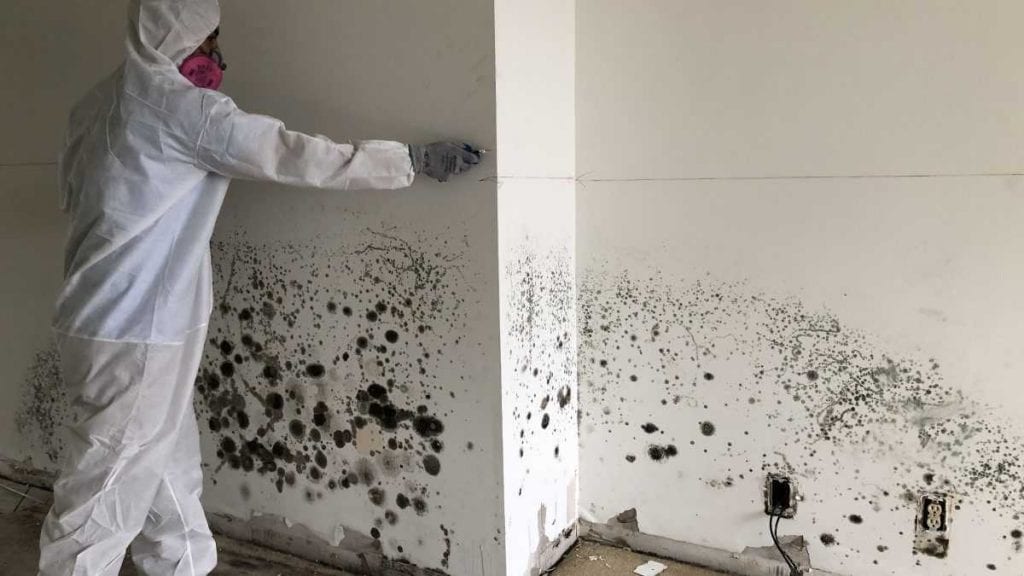
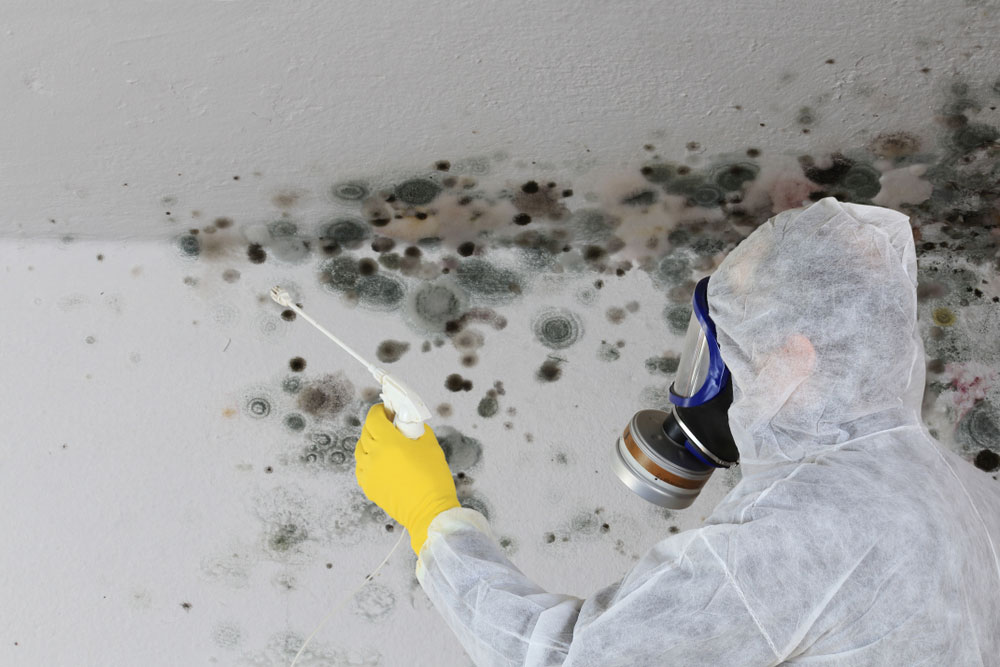
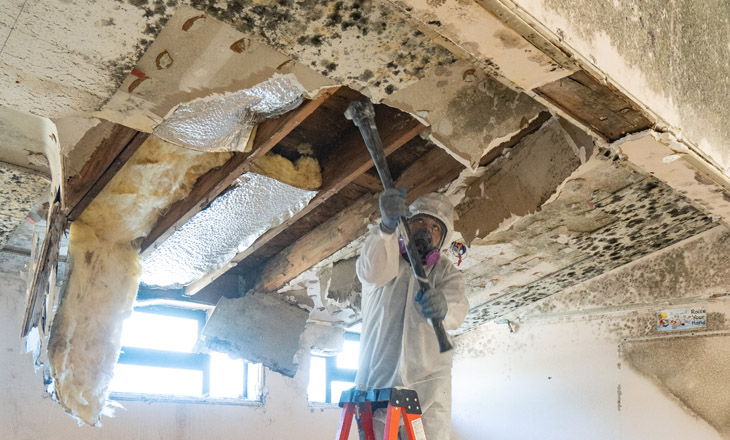
- Specialized remediation services for existing structures.
We remain committed to meeting the strictest California safety and quality standards. Our processes align with the latest building codes to ensure that every project is compliant and durable. This dedication to excellence provides our clients with the peace of mind that their infrastructure is built to last.
Why We Focus on Structural Excellence
At Delta C9, we embrace a Strategic Protector philosophy. This means we view your interior as a complex system that requires proactive defense against structural failure. We ensure the seamless integration of custom metal work with Level 5 drywall finishes. This level of precision prevents the minor shifts that lead to unsightly cracks or surface imperfections. Our role is to provide a controlled, stable environment for your business or home. Contact Delta C9 today for a consultation on your next San Diego project.
Comprehensive Interior Solutions
Our expertise extends well beyond basic fabrication. We provide a turnkey interior approach that manages ceiling and drywall alongside insulation and remediation. By handling these interconnected phases, we eliminate the communication gaps that often delay construction schedules. We serve San Diego, Chula Vista, and the surrounding regions with professional reliability and a focus on business continuity.
San Diego’s unique building dynamics require a deep understanding of Title 24 energy requirements and localized seismic bracing standards that only a regional expert can provide. We don’t rely on guesswork. Our methodology utilizes precise measurements and a deep understanding of material stress points. As custom metal fabricators, we take responsibility for the systems we build. This ensures your project stays on track and your facility remains operational for years to come.
Build for Long-Term Stability and Precision
Success in the San Diego construction market relies on structural integrity that exceeds basic requirements. Your project must withstand specific environmental pressures, including the rigorous California seismic standards and salt-air corrosion common in coastal zones. Partnering with experienced custom metal fabricators transforms these technical challenges into a managed, predictable process. Delta C9 provides a specialized approach that bridges the gap between complex metal framing and final drywall installation.
With 22+ years of local experience, our team focuses on proactive risk reduction and engineering accuracy. We don’t just supply materials; we provide a foundation of stability for your commercial or residential assets. This comprehensive service model ensures that every weld and frame meets the highest safety benchmarks. You can rely on our proven track record of delivering projects that remain secure under pressure. Let’s discuss how our technical expertise can protect your investment and streamline your build.
Get a Professional Quote for Your San Diego Metal Project
We look forward to bringing professional-grade precision to your next development.
Frequently Asked Questions
What is the average cost of custom metal fabrication in San Diego?
Labor rates for metal fabrication in Southern California typically range from $75 to $150 per hour according to industry data from Procore. Total project costs depend on the current market price of raw materials like stainless steel or aluminum. Most commercial budgets allocate roughly 70% of the total cost to labor and precision engineering, while the remaining 30% covers raw material procurement.
How long does the custom metal fabrication process take?
The typical timeline for a project spans 4 to 12 weeks from the initial design approval. A simple component might require only 10 business days for production; however, a complex structural frame for a commercial facility involves 3 weeks of CAD modeling followed by 6 weeks of shop fabrication. These schedules fluctuate based on the availability of specific alloys and the complexity of the required finish.
Why is metal framing preferred over wood in San Diego commercial buildings?
Metal framing offers a 100% non-combustible rating, which is essential for compliance with California Building Code Title 24. Steel doesn’t warp, rot, or shrink over a 50-year building lifecycle, unlike traditional timber. This dimensional stability ensures that critical components like door frames and window assemblies remain perfectly aligned even as the structure settles over several decades.
Do custom metal fabricators in California need specific certifications?
Professional custom metal fabricators in California must hold a C-51 Structural Steel Contractor license from the Contractors State License Board. For structural integrity, individual welders should also maintain AWS D1.1 certifications. These credentials verify that the shop follows strict safety protocols and delivers components that meet the rigorous standards of municipal building inspectors.
Can custom metal work improve the soundproofing of my office?
Metal framing improves acoustic performance when paired with specialized damping materials. Steel studs are more flexible than wood, which helps decouple the drywall and reduce the transmission of sound vibrations through the walls. Testing indicates that a properly insulated steel-framed wall can achieve a Sound Transmission Class (STC) rating of 50, significantly reducing noise between office suites.
What is the best metal for coastal San Diego construction to prevent rust?
Type 316 stainless steel is the most effective material for projects located within 5 miles of the Pacific Ocean. Expert custom metal fabricators recommend this specific alloy because it contains 2% molybdenum. This chemical addition provides superior resistance to chloride-induced pitting and the corrosive effects of salt spray that quickly degrade standard carbon steel or lesser grades of stainless.
How does custom fabrication help with seismic safety?
Fabricated steel provides the high ductility and strength-to-weight ratio necessary to withstand a 6.5 magnitude earthquake. Steel frames are designed to bend and absorb seismic energy without catastrophic failure, which protects the building’s occupants. Engineers utilize custom-fabricated moment frames and bolted connections to create a flexible skeleton that moves with the ground during intense seismic activity.
Is custom metal fabrication suitable for residential remodeling in San Diego?
Custom steel is used in approximately 15% of high-end residential remodels to create modern, open-concept living spaces. Steel I-beams allow for 25-foot spans without the need for vertical support columns, which isn’t possible with standard lumber. This structural capability lets homeowners remove load-bearing walls safely while maintaining the architectural integrity and safety of their property.